2026 Paid Creative Cheat Sheet: How to Get More From Every Shoot
10 minute read
Every brand and creative team is staring down the same problem: more channels, more formats, and more pressure to “make it perform” without another dozen people on the team. But nobody needs one more trend recap. This article is a practical guide to planning shoots and assets so your creative mix actually works across channels and paid placements.
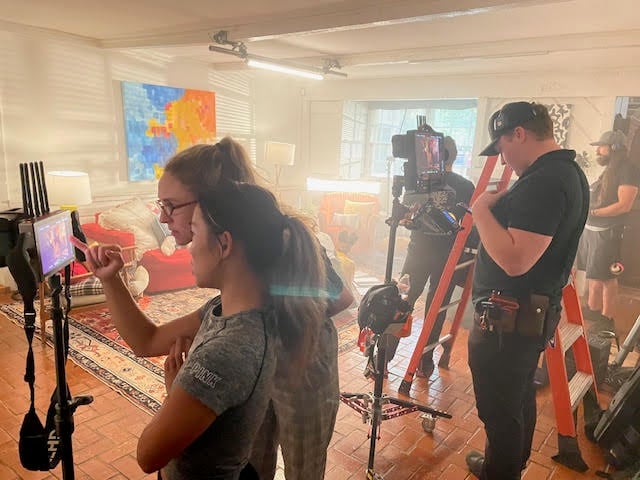
StudioNow is the team on set with brand and creative leads, then in the edit bay with platform specs and performance feedback staring us in the face. We slot in alongside your media and measurement team, making sure they have a flexible asset toolkit to work with. This guide pulls from analyst reports, platform resources, measurement experts, and what we’ve seen across hundreds of briefs and shoots this year. Think of it as a briefing you can pass to your team before the next quarter’s planning meeting.
Table of Contents
Why Creative Variety Is the 2026 Differentiator
What the Data Says (So You Don’t Have to Read 20 Reports)
Plan for a Mix off Assets Before You Roll
Best Creative Approaches by Platform
A 2026 Test Worth Running: More Variety in Google’s Visual Ecosystem
Turning This Into a Brief (Not a Headache)
Sources & Further Reading
1. Why Creative Variety Is the 2026 Differentiator
2026 isn’t about flooding feeds with more assets; it’s about having the right combination of creative that fits each channel’s context and job to be done. The teams seeing better results are not just “cutting for size", they’re planning for different attention spans, placements, and funnel roles from the start. One hero spot becomes a family of assets: short hooks, mid‑length explainers, quiet product demos, and story‑driven pieces that can live beyond a single campaign window.
The flip side is familiar: a beautiful brand film that technically can be cropped to 9:16, but loses all its visual impact in vertical, or a highly seasonal script that can’t be repurposed once the campaign ends. The more you can anticipate those needs before cameras roll (or click), the more leverage you get from every production dollar. Our lane in that equation is taking those “maybe this will need to work on YouTube later” conversations and turning them into concrete shot plans.
2. What the Data Says (So You Don’t Have to Read 20 Reports)
We read the industry reports so your team doesn’t have to. The research comes from third‑party studies and platform guidance; our job is to translate it into decisions you can make at the brief and production level. A few themes keep repeating:
Video and social keep taking a bigger share of spend. Recent Statista forecasts show digital video and social ad budgets continuing to climb, with vertical and mobile‑first formats leading the growth. That tracks with what creative teams feel every day: almost everything now needs a motion version, not just a static.
Cross‑channel strategies win. Nielsen’s latest Marketing ROI work points in the same direction: brands that plan and optimize across channels tend to see higher overall return than those running siloed campaigns. “One asset for everywhere” may be convenient, but it tends to underperform against creative that’s tuned to where and how it will be seen.
Context and creative fit really matter. Think with Google and Kantar have both highlighted big performance lifts when creative is tailored by platform and pre‑tested, versus simply resized. A cut that feels perfect for YouTube pre‑roll might be too dense for a vertical feed or not specific enough for a newsletter audience.
Google’s ecosystem is still underused creatively. Demand Gen and other visual formats across YouTube, Discover, Gmail, and Display can deliver strong results when they’re fed a range of well‑structured assets. Brands that give Google more creative options, like different lengths, images, hooks, and CTAs, typically unlock better performance from the same budget, especially when paired with real testing on what’s actually driving lift.
If your team wants a deeper dive into how to structure Google Ads tests and measure what’s truly working, resources like Measured’s “5 Proven Strategies for Brands to Win with Google Ads” are excellent companions to this article. We’re pointing you to the people who live and breathe optimization; our job is to help you show up to those conversations with the right creative building blocks.
3. Plan for a Mix of Assets Before You Roll
One of the simplest, highest‑ROI shifts any brand or creative lead can make is to tell the production team where the work might need to live before the shoot, not just where it’s shipping on day one.
When there’s even a chance that footage could be used across multiple channels or in paid media, the cheapest time to buy flexibility is on set. With a heads‑up, producers and directors can:
Capture extra b‑roll with different framings and camera moves to support both long‑form storytelling and punchy cutdowns.
Use wider lenses or alternate compositions so editors can pull 9:16, 1:1, and 16:9 versions later without losing key action or typography.
Grab stills and clean passes designed for thumbnails, email hero images, or retail media placements.
Shoot takes that avoid overly seasonal or event‑specific references when evergreen use is a possibility.
The cheapest time to buy flexibility is on set.
Storytime: On a recent storytelling campaign, the first shoot was scoped to a specific set of placements. Once the work resonated, everyone quite reasonably wanted more: additional cutdowns, vertical edits, and evergreen versions. The team got there, but it required extra editorial time and budget. On subsequent shoots, simply flagging those potential needs up front let the crew capture wider frames, extra narrative beats, and clean evergreen options during the day. That small adjustment turned into weeks of additional usable content without reshoots.
The key message for internal teams and partners: asking production to plan for optionality does not mean paying for a dozen fully finished versions on day one. It means you walk away with “insurance” in the form of versatile raw material that your media, creative, and measurement partners can put to work as performance data comes in. This is the part we’re best at helping with.
4. Best Creative Approaches by Platform
Every brand, category, and audience is different, but after enough campaigns you start to see some reliable creative patterns by channel. Use this as a starting brief, then layer in your brand voice and learnings from your own tests (and from your media/analytics partners). For a broader view of where paid placements and formats are heading in 2026, Lia Haberman’s ICYMI predictions round‑up is a great snapshot from across the industry.
Platform
Key Formats
Practical Creative Notes
Instagram
1:1, 4:5, 9:16, carousels
Assume sound‑off; front‑load motion or transformation in the first second; use carousels to tell micro‑stories or show variations, not near‑identical frames.
TikTok
9:16, sometimes 1:1
Creator‑led concepts win; looser framing, direct‑to‑camera talk, and in‑platform trends feel native. Plan a few “reactive” beats that can be re‑cut quickly as sounds or trends change.
LinkedIn
1:1, horizontal video, document ads
Lead with a clear value proposition or POV, not just a logo. Social proof, behind‑the‑scenes process, and expert voices often perform well here.
YouTube
16:9 long‑form, vertical Shorts
Shorts reward quick, curiosity‑driven hooks; long‑form can dig into demos, explainer content, and storytelling. Design openers that work in both skippable and non‑skippable environments.
Google (Demand Gen, Discover, Gmail, Display)
Mix of 1:1, 4:5, horizontal, image + short video
Build a small but diverse asset set: a few distinct images, a handful of video lengths, and multiple headlines/CTAs. Think “modular story blocks” the system can match to different audiences and intents.
Newsletters & CRM
Native image + copy, sometimes GIFs or embedded video
Treat this as a higher‑attention environment. Strong editorial framing, useful information, and clear next steps typically beat overly polished “ads.” BTS content and “here’s what we learned” pieces often punch above their weight
Treat this table as a starting point for briefs and shot plans. All of this matters most when there’s a real test to run against it, which is why we like starting with Google’s visual formats.
Side note: we love working from briefs that clarify the priority mix for your next quarter!
5. A 2026 Test Worth Running: More Variety in Google’s Visual Ecosystem
If you’re looking for one pragmatic experiment next quarter, make it this: increase the range of assets you feed into Google’s Demand Gen and related visual formats. You don’t need twenty brand‑new shoots; you need a more intentional mix of assets built from what you already have or are about to produce.
You don’t need twenty brand‑new shoots; you need a more intentional mix of assets built from what you already have or are about to produce.
At a minimum, aim to give campaigns:
Multiple video lengths (for example, a 6–10 second hook and a 15–30 second story).
Distinct visual treatments or storylines, not just color‑corrected variants of the same shot.
A range of headlines and CTAs that map to different levels of intent (discovery, consideration, conversion).
Work with your media partners on campaign structure; our point here is that tests work better when they have real creative range to chew on. That’s where the “plan for variety before you roll” mindset pays off again: the more versatile your raw material, the more useful your experiments can be!
6. Turning This Into a Brief (Not a Headache)
To keep things simple for your next planning cycle, try folding this into your standard brief template:
Channel map: Where might this creative realistically need to live over the next 6–12 months (organic, paid, partner, CRM, retail media)?
Role per channel: Is the job for each placement to introduce, explain, reassure, or convert? That answer should shape the cut, not just the aspect ratio.
Evergreen vs. moment‑based: Which pieces must stay flexible for future use, and which can lean into seasonal context, cultural moments, or time‑bound offers?
Production notes: A simple line like, “Assume potential cutdowns for TikTok, Reels, and Demand Gen; please capture extra b‑roll, wide framings, and stills,” can save weeks later.
Feedback loop: Decide upfront how learnings will get back to the people making the work (internal teams, agencies, or partners) so each round gets sharper instead of starting from zero.
The goal is not to make briefs longer; it’s to make them more explicit about how your creative investment can work harder across platforms and over time. When strategy, production, and media are aligned early, the result is usually the same: better performance, fewer fire drills, and a lot more options when a campaign hits. Our job is to make sure you’ve got the creative building blocks to take advantage of what your media partners learn.
7. Sources & Further Reading
Most of the stats and themes in this piece come from the sources below; we’ve just pulled out the bits that matter most at the brief and production level


 StudioNow Updates